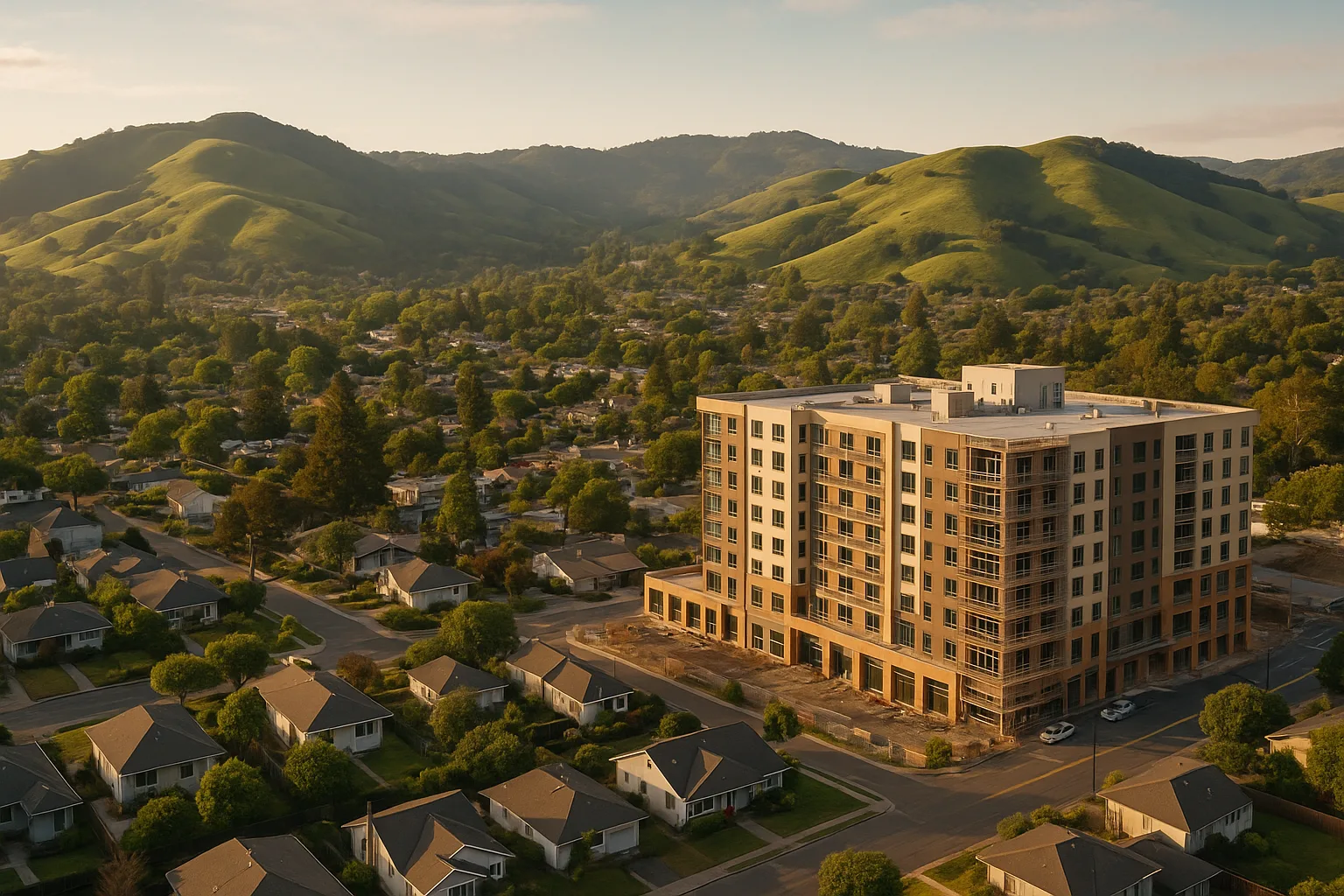
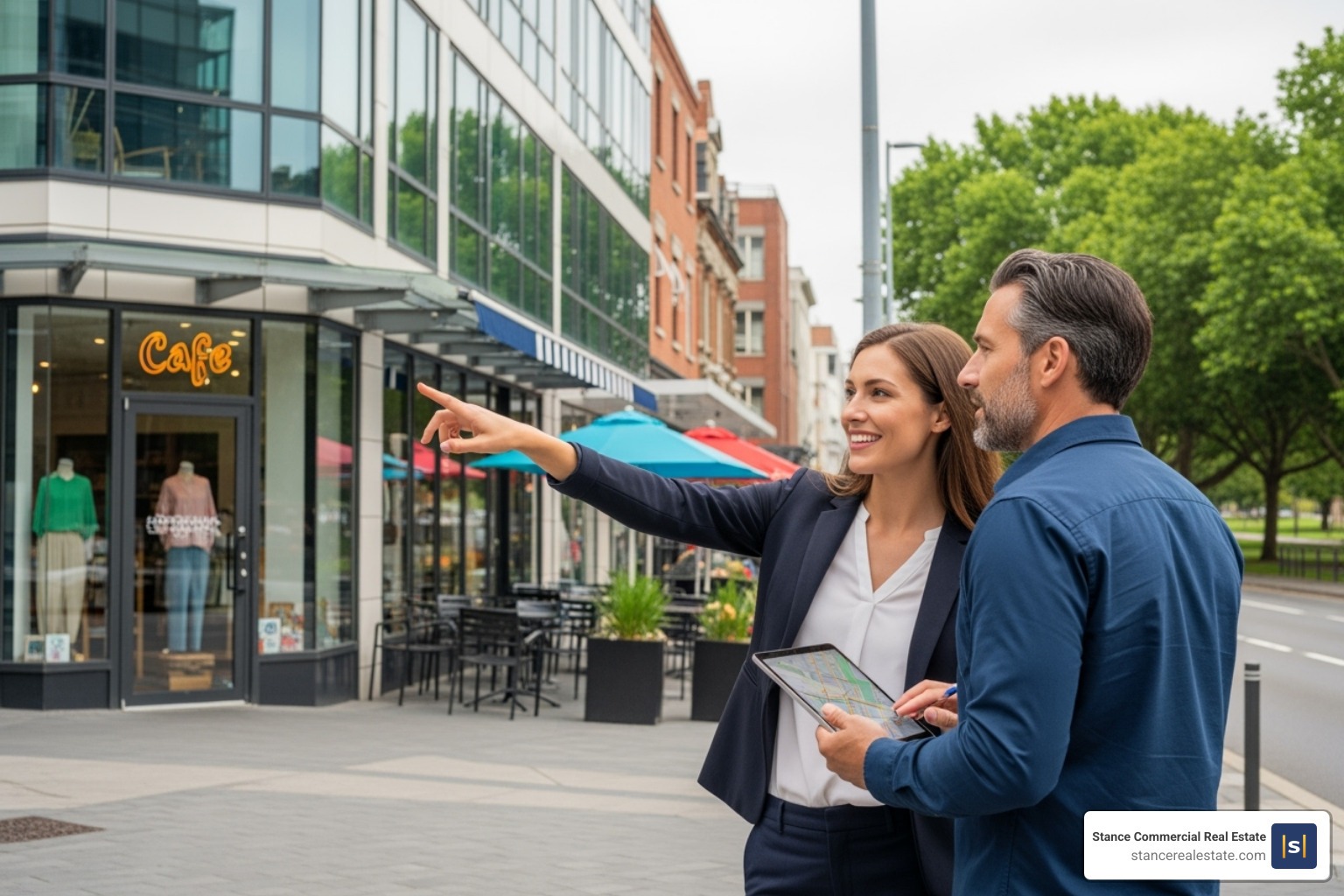
The definition of an ideal neighborhood has changed significantly over the past decade. While spacious homes and modern amenities remain desirable, buyers are placing increasing importance on what surrounds the property. Walkability has become one of the strongest factors influencing residential real estate decisions because it directly affects convenience, lifestyle, and long term property value.
A walkable community allows residents to reach schools, grocery stores, parks, restaurants, healthcare facilities, and public transportation without relying heavily on a car. This convenience improves everyday living while making neighborhoods more attractive to a wider range of buyers. As cities continue to grow and urban planning evolves, walkability is emerging as a defining characteristic of successful residential developments.
Property Transparency And Devbhoomi Bhulekh Uttarakhand
Strong real estate investments begin with confidence in property ownership and documentation. Digital land record systems have simplified the process of verifying ownership details, making transactions more secure and transparent. Services such as devbhoomi bhulekh Uttarakhand demonstrate how digital access to land records supports informed property decisions.
When buyers can easily verify ownership information, they are more likely to proceed with confidence. Clear documentation complements desirable neighborhood features, creating a stronger overall investment opportunity.
Walkable Neighborhoods Improve Daily Living
Walkability offers practical benefits that extend beyond convenience. Residents who can complete daily errands on foot often spend less on transportation, experience shorter travel times, and enjoy greater flexibility in their routines. Families appreciate having schools and recreational spaces nearby, while professionals value easy access to public transit and business districts.
Communities designed with sidewalks, cycling paths, green spaces, and mixed use developments encourage healthier lifestyles and stronger social interaction. These qualities contribute to higher resident satisfaction, making homes in walkable areas more desirable over the long term.
Economic Confidence And Mahabocw Payment Status
Real estate markets are influenced by broader economic conditions and public services. Digital platforms that simplify access to government services, including resources such as mahabocw payment status, reflect an ongoing shift toward greater administrative efficiency.
Although these services operate independently from housing markets, improvements in digital governance often contribute to public confidence and more efficient interactions with government systems. Communities supported by reliable infrastructure and efficient services tend to attract sustained residential interest, indirectly strengthening local real estate demand.
Urban Planning Drives Property Appreciation
Modern urban planning increasingly emphasizes compact, connected neighborhoods. Instead of separating residential and commercial districts, many new developments combine housing, retail spaces, offices, parks, and entertainment within walking distance.
This integrated approach benefits both residents and property owners. Businesses enjoy greater customer traffic, while homeowners benefit from enhanced convenience and stronger demand for nearby housing. As more municipalities adopt pedestrian friendly planning strategies, walkable communities continue to outperform less connected neighborhoods in terms of desirability.
Developers who prioritize accessibility often create neighborhoods that remain competitive even as market preferences evolve.
Digital Administration Through Manav Sampada Hp
Technology is transforming many aspects of public administration, improving efficiency across multiple sectors. Platforms such as manav sampada hp illustrate how digital systems help streamline administrative processes and record management.
The increasing adoption of digital services reflects a broader movement toward modernization, which also benefits the real estate sector. Property owners, buyers, and investors increasingly expect efficient documentation, transparent records, and simplified administrative procedures when completing property transactions.
Combined with attractive neighborhood features, streamlined governance contributes to a more favorable investment environment.
Long Term Financial Benefits Of Walkability
Walkable neighborhoods often experience stronger and more consistent property appreciation than areas that depend entirely on automobile transportation. Homes located near essential services remain attractive across different market conditions because convenience appeals to a broad range of buyers.
These neighborhoods also tend to support stable rental demand. Young professionals, retirees, students, and families frequently seek locations where daily necessities are easily accessible without long commutes. As demand grows, property owners benefit from improved occupancy rates and stronger resale opportunities.
In addition, reduced transportation costs can make homeownership more affordable, increasing the number of potential buyers interested in walkable communities.
Information Access Through www.rtpsbihar.blog
The growing availability of digital information has made it easier for individuals to understand administrative procedures and public services. Informational resources such as www.rtpsbihar.blog demonstrate how online platforms can help users navigate various government related processes.
Access to reliable information encourages greater awareness and more informed decision making. Whether researching property documentation, understanding local regulations, or preparing for future investments, informed buyers are better equipped to evaluate long term opportunities.
Conclusion
Walkability has become much more than a desirable neighborhood feature. It represents a combination of convenience, sustainability, community engagement, and long term financial value. Buyers increasingly recognize that homes located near essential services provide lasting benefits that extend beyond the property itself. As cities continue to evolve, neighborhoods designed around accessibility are likely to remain highly sought after. Combined with transparent property records, modern infrastructure, efficient digital administration, and thoughtful urban planning, walkability strengthens both quality of life and investment potential. For homeowners and investors alike, choosing a walkable community is becoming one of the smartest long term real estate decisions they can make.

Related Posts