
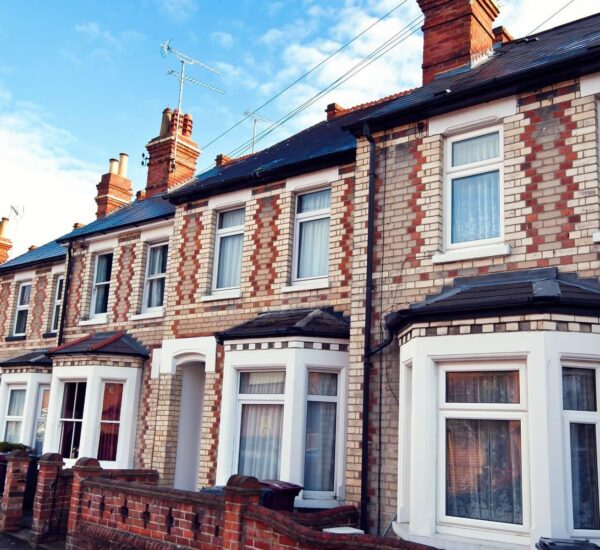
A house with history can charm you into ignoring math, moisture, and maintenance. That is exactly why buying an older property should begin with patience, not excitement. Older homes can offer stronger locations, thicker walls, mature trees, and details newer builds rarely bother to include. They can also hide expensive problems behind fresh paint, soft lighting, and a well-staged living room. The difference between a smart purchase and a slow financial bleed often comes down to how carefully you read the building before you fall for it.
A good older home does not need to be perfect. It needs to be honest. You want signs that the structure has been respected, repairs have been handled before they became emergencies, and the price reflects the work still ahead. Trusted property guidance from sources like real estate market resources can help buyers think beyond surface appeal and focus on long-term value. The goal is not to avoid age. The goal is to avoid surprises that age has been hiding.
Buying an Older Property Starts With the Bones
The first mistake many buyers make is looking at an older house as if it were a newer one with extra character. It is not. A house built decades ago has lived through storms, owners, renovations, neglect, and shifting building standards. Its true story sits in the foundation, roofline, walls, drainage, and framing long before it shows up in the kitchen.
How to judge structural condition before you fall in love
Strong curb appeal can distract you from crooked floors, cracked plaster, and doors that no longer close cleanly. Some of those signs are harmless settling. Others point to movement that deserves a serious inspection. A sloping floor in one bedroom may be part of the house’s age, but a fresh diagonal crack above several door frames tells a different story.
You should walk through the home slowly and let your body notice what your eyes may miss. Does the floor dip near the center of the house? Do windows stick in several rooms? Does the basement smell damp even on a dry day? These clues do not prove disaster, but they tell you where to press harder.
A good property inspection is not a formality here. It is your first real negotiation tool. Older homes often need repairs, and that is fine, but you need to know whether you are dealing with routine aging or a house quietly asking for major structural help.
Why roof age and drainage matter more than fresh paint
Paint sells the mood, but water decides the future. A home with an aging roof, clogged gutters, poor grading, or weak drainage can turn small flaws into expensive repairs. Water is patient. It does not need drama to cause damage; it only needs time and a path.
Look closely at where rain would go during a heavy storm. Downspouts should carry water away from the foundation, not dump it beside the wall. Soil should slope away from the house. Basement stains, bubbling paint, and soft trim near exterior walls deserve attention because they often point to moisture patterns, not one-time accidents.
One counterintuitive truth matters here: the prettiest room may be the least useful place to judge the house. The basement, attic, crawl space, and exterior edges say more. Sellers polish living areas. Houses confess in corners.
Older Home Inspection Details That Protect Your Budget
Once the visible structure passes the first smell test, your focus should shift to systems. Older homes often carry a mix of original parts, partial repairs, and updates done by different owners over many years. That patchwork can work well, but only when it was done safely and documented with care.
What older home inspection should reveal about hidden systems
A proper older home inspection should spend serious time on electrical, plumbing, heating, cooling, insulation, and ventilation. These systems decide how the home feels every day and how much it costs to keep running. A charming house with weak wiring and tired pipes can become a monthly argument with your bank account.
Ask direct questions about the electrical panel, outlet grounding, pipe material, water pressure, furnace age, air conditioning condition, and attic insulation. Do not accept vague comfort words like “updated” without dates, permits, receipts, or clear details. Updated could mean a licensed repair five years ago, or it could mean someone changed a few visible fixtures and left the costly parts untouched.
A smart buyer also looks for mismatched quality. A renovated bathroom beside old supply lines can signal cosmetic work over core work. New light fixtures connected to outdated wiring raise the same concern. The finish is not the system. Never confuse the cover for the engine.
Why renovation history can matter more than renovation style
A dated kitchen is not automatically bad. In some cases, it is better than a flashy renovation done on the cheap. Style can be changed later, but poor workmanship can trap you in repairs you never planned to make.
Ask who completed past renovations and whether permits were pulled when required. A wall removal, basement finish, bathroom addition, or major electrical change should have paperwork where local rules require it. Missing permits do not always mean poor work, but they do mean you need more proof before trusting what you see.
A real-world example makes the point clearly. A buyer may prefer a newly finished basement because it looks move-in ready, but that finish may hide foundation cracks, moisture, weak insulation, or low-quality wiring. An unfinished basement with visible walls can feel less exciting, yet it gives you more truth. Truth is cheaper than surprise.
Historic House Value Depends on Location and Limits
Aging alone does not create value. Some older homes sit in neighborhoods with strong demand, walkable streets, larger lots, and architecture people still want. Others sit in areas where repair costs rise faster than resale appeal. The house may have character, but the market decides how much that character is worth.
How historic house value connects to neighborhood demand
Historic house value often comes from scarcity. A well-kept older home near schools, parks, transit, shops, or established job centers can attract buyers who want charm without giving up convenience. Mature streets can feel settled in a way brand-new subdivisions cannot copy quickly.
That does not mean every old house in a good neighborhood is a strong buy. You still need to compare its condition against nearby sales. A cheaper house may not be a bargain if every similar home needed six figures in repairs before reaching full value. Price only makes sense when matched against the work required.
The unexpected insight here is that the best investment may not be the most restored home on the block. A structurally sound house with dated finishes can leave room for smart upgrades. A fully renovated home priced at the top of the market may offer less upside, even if it photographs better.
When preservation rules help or hurt your plans
Some older homes sit under local preservation rules, design guidelines, or historic district limits. These rules can protect neighborhood character, which may support long-term appeal. They can also limit what you can change, what materials you can use, and how quickly you can complete work.
Before making an offer, check whether exterior changes, window replacements, additions, fencing, roofing, or demolition require special approval. A buyer who wants to modernize freely may feel trapped by restrictions that another buyer would happily accept. The same rule can be a shield or a headache, depending on your plans.
Historic house value works best when your goals match the property’s limits. If you love original windows, traditional trim, and a slower renovation path, restrictions may not bother you. If you want fast, broad changes, those same limits can turn the purchase into friction from day one.
Old House Maintenance Should Shape the Offer
A smart offer on an older home does not begin with the list price. It begins with the cost of owning the house after the keys change hands. Age affects insurance, utilities, repairs, renovation timing, and resale strategy. Your offer should reflect that full picture, not the emotion of a Saturday showing.
How old house maintenance changes the true monthly cost
Old house maintenance often arrives in uneven waves. One year may feel calm, then the roof, water heater, exterior paint, and drainage repairs all compete for attention. A newer home can have problems too, but older homes tend to punish buyers who fail to keep a reserve fund.
Build a repair budget before you decide what the home is worth to you. Include inspection findings, system ages, near-term repairs, insurance quotes, and energy costs. A low mortgage payment can lose its charm fast when the house needs constant cash after closing.
A practical buyer should also separate urgent repairs from planned improvements. A worn floor can wait. A failing roof cannot. Old house maintenance becomes easier when safety, water control, and mechanical systems come before style upgrades.
Why charm should never set the final offer price
Charm is real value, but it is not a blank check. Original woodwork, tall ceilings, vintage tile, built-ins, and mature landscaping can make a home feel rare. Those details deserve respect. They do not cancel out a tired sewer line, outdated wiring, or a furnace near the end of its life.
Your offer should speak the language of evidence. Use inspection reports, contractor estimates, comparable sales, and documented repair needs. A seller may love the home’s story, but you are buying its future costs as well as its past.
The strongest buyers stay emotionally awake without becoming emotionally led. They admire the staircase, then check the basement. They notice the sunlight, then ask about insulation. That balance is where good decisions live.
Conclusion
Older homes reward buyers who know how to look past the obvious. The best ones offer character, location strength, and materials that still have plenty of life left when cared for properly. The risky ones depend on charm to hide costs, and charm loses its shine fast when repairs begin stacking up.
The smartest move before buying an older property is to treat age as a clue, not a warning. Some signs point toward lasting value; others point toward repairs that should change the offer or stop the deal. You do not need to become a contractor, but you do need to ask better questions than the average buyer asks.
Walk the property twice, inspect the unglamorous spaces, price the repairs honestly, and let the numbers cool down the emotion. Before you commit, schedule a qualified inspection and build your offer around the house as it truly stands, not the version your imagination wants it to be.
Frequently Asked Questions
What should I check first before buying an old house?
Start with structure, roof condition, drainage, electrical systems, plumbing, and signs of moisture. Cosmetic issues can wait, but foundation movement, water damage, unsafe wiring, and failing mechanical systems can change the full cost of ownership.
Is an older house a good investment for first-time buyers?
An older house can be a good investment when the location is strong, the structure is sound, and repair costs fit your budget. First-time buyers should avoid homes needing urgent major work unless they have cash reserves and trusted contractor guidance.
How much should I budget for old house maintenance?
Set aside a larger repair reserve than you would for a newer home. The right amount depends on size, condition, climate, and system age, but older homes often need steady upkeep for roofing, exterior paint, plumbing, heating, and moisture control.
What are the biggest problems with older homes?
The biggest problems often involve foundation movement, roof leaks, outdated electrical panels, aging pipes, poor insulation, drainage issues, and unpermitted renovations. These concerns matter because they affect safety, comfort, insurance, and resale value.
Should I buy an old house with outdated wiring?
Outdated wiring should not automatically end the deal, but it must be inspected by a licensed electrician before you commit. Replacement or panel upgrades can be costly, and some insurance companies may raise concerns depending on the wiring type.
How do I know if an older property has hidden water damage?
Look for musty smells, stained ceilings, bubbling paint, soft trim, basement dampness, warped floors, and fresh paint in isolated areas. A moisture meter and a careful inspection can reveal problems that casual walkthroughs often miss.
Are historic homes harder to renovate?
Historic homes can be harder to renovate when preservation rules, custom materials, old construction methods, or permit limits apply. The work may also cost more because matching original details often takes more skill than standard replacement work.
What makes an old house worth buying?
An old house is worth buying when it has a strong location, stable structure, manageable repair needs, clear renovation history, and features buyers still value. The best purchase feels charming, but it also makes financial sense after inspection.

Related Posts